
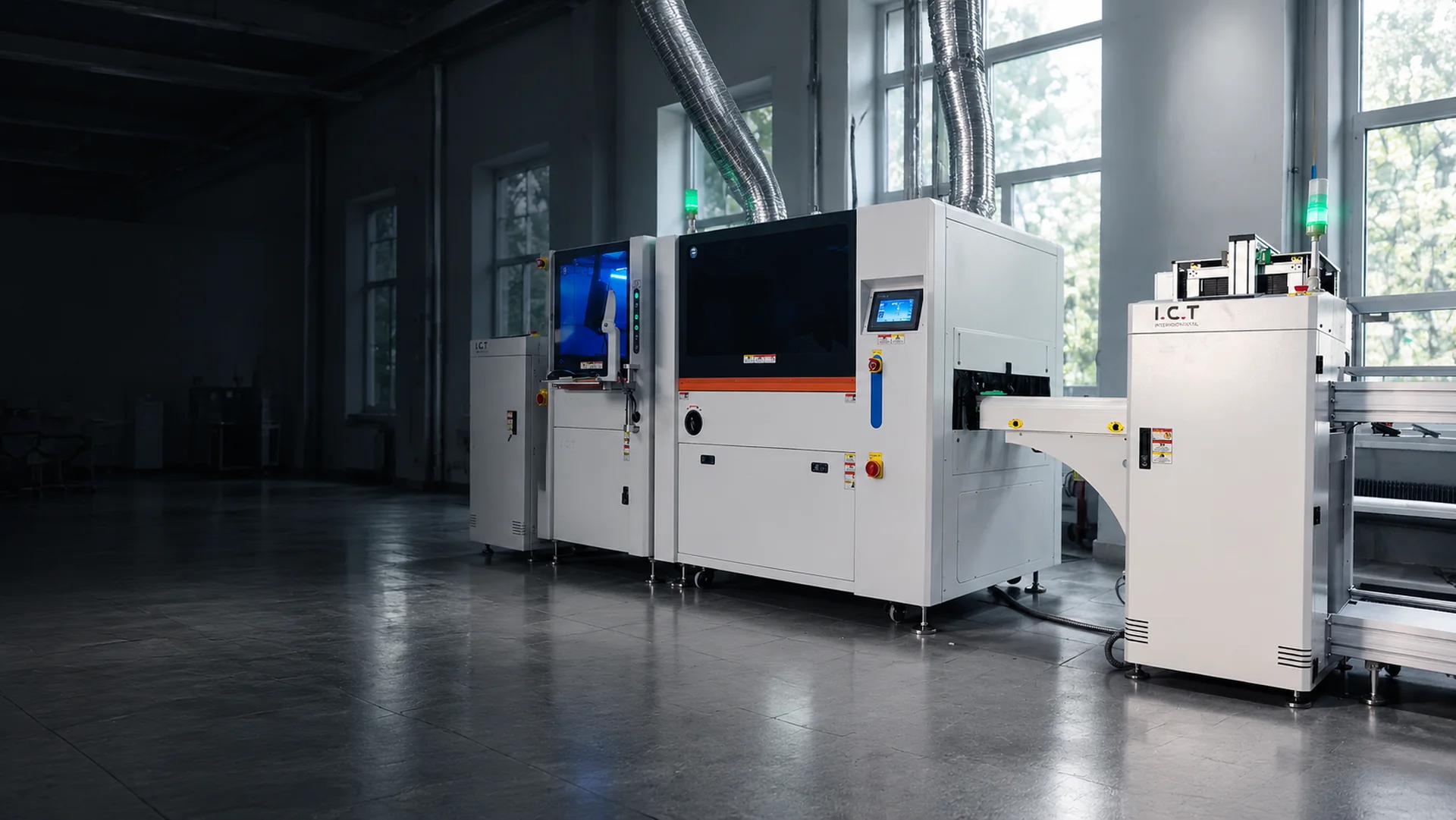
Curing ovens
I.C.T Curing Ovens for Conformal CoatingIR, UV and Vertical
Coating goes on wet. The oven makes it stay.
A curing oven is the step that turns applied material into protection: conformal coating hardens into a moisture barrier, adhesive sets into a structural bond, encapsulant becomes a sealed shell. Skipping or under-curing it is the most common cause of coating field failures.
I.C.T builds curing ovens for conformal coatings, adhesives and encapsulants on one control platform — PLC or PC control, SMEMA linkage at 900 mm transport height, and automatic board in and out. Choose the technology by your material's chemistry, not by habit.
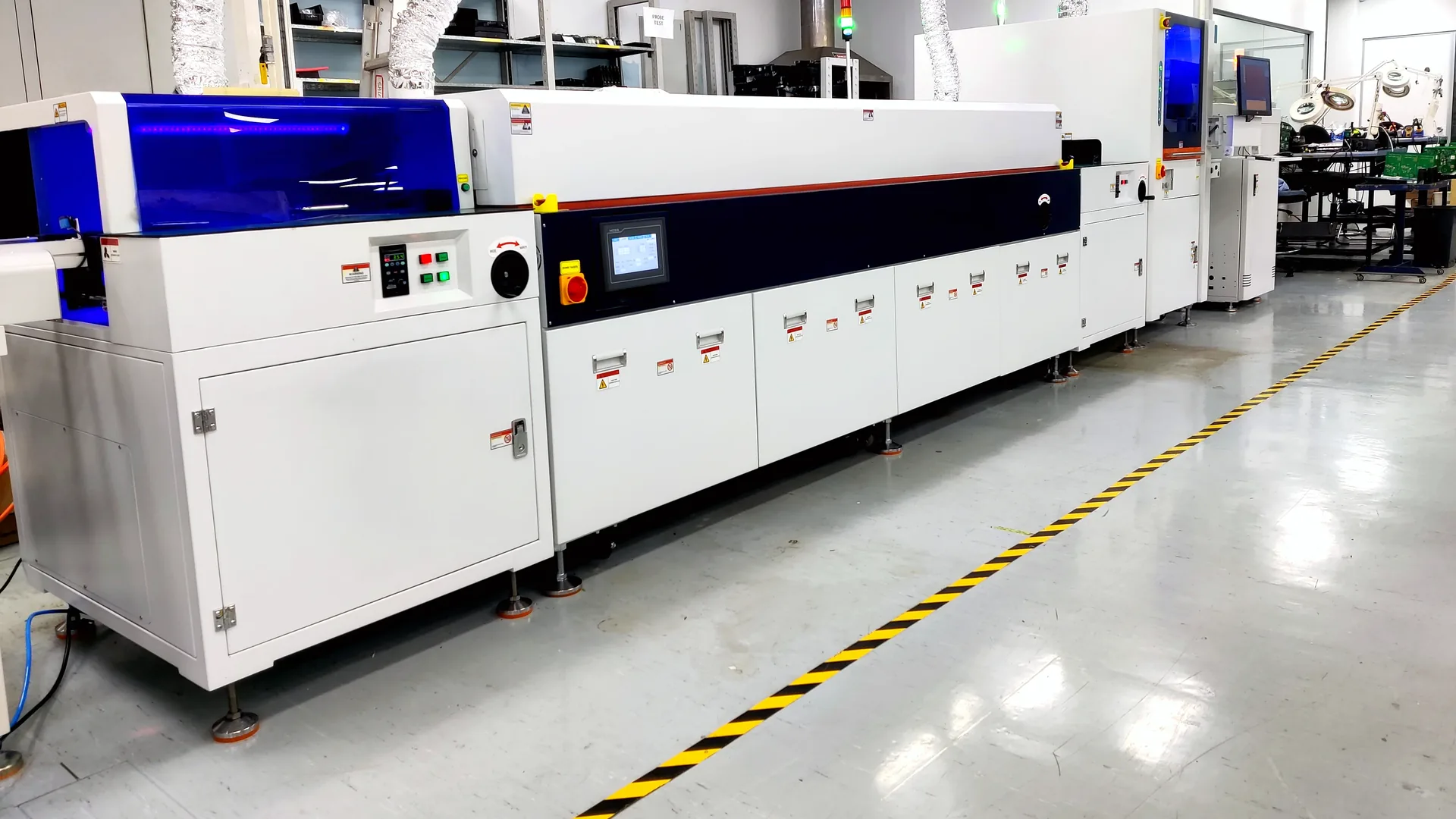
Three technologies. One platform.
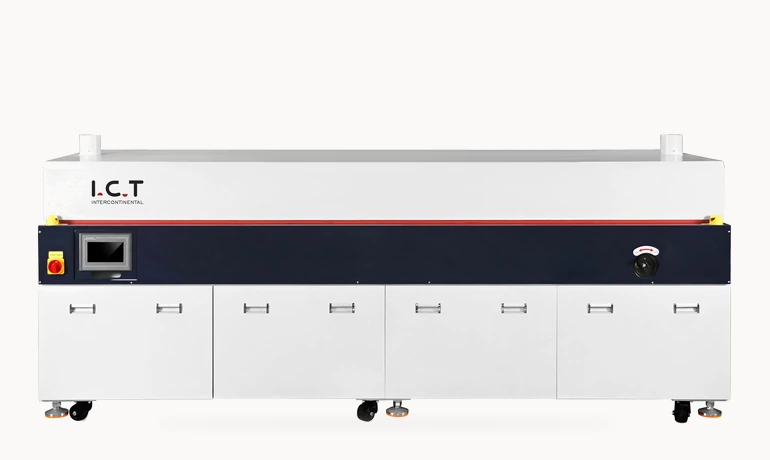
IR curing oven
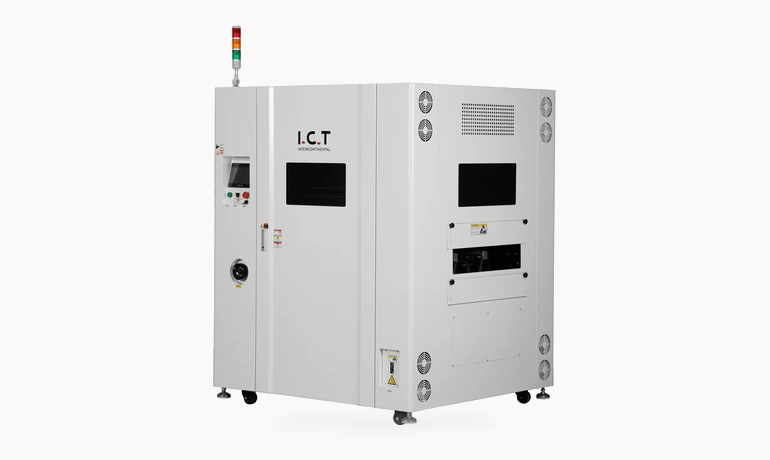
UV curing oven
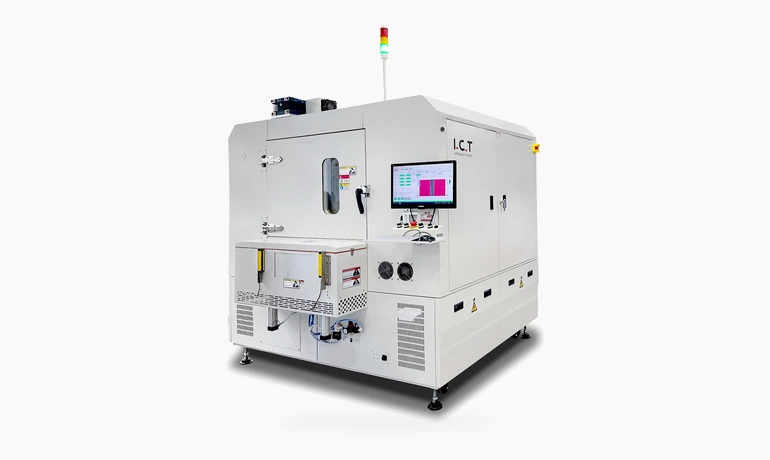
Vertical curing oven
Start from your chemistry.
Stable temperature is the whole job.
Every I.C.T curing oven is built around temperature stability. IR ovens divide the tunnel into multiple zones so the profile ramps, soaks and cools exactly as the material's datasheet asks. UV ovens focus lamp output with adjustable-height reflectors and contain stray UV under a blackout cover, with an independent cooling zone so boards exit cool enough to handle.
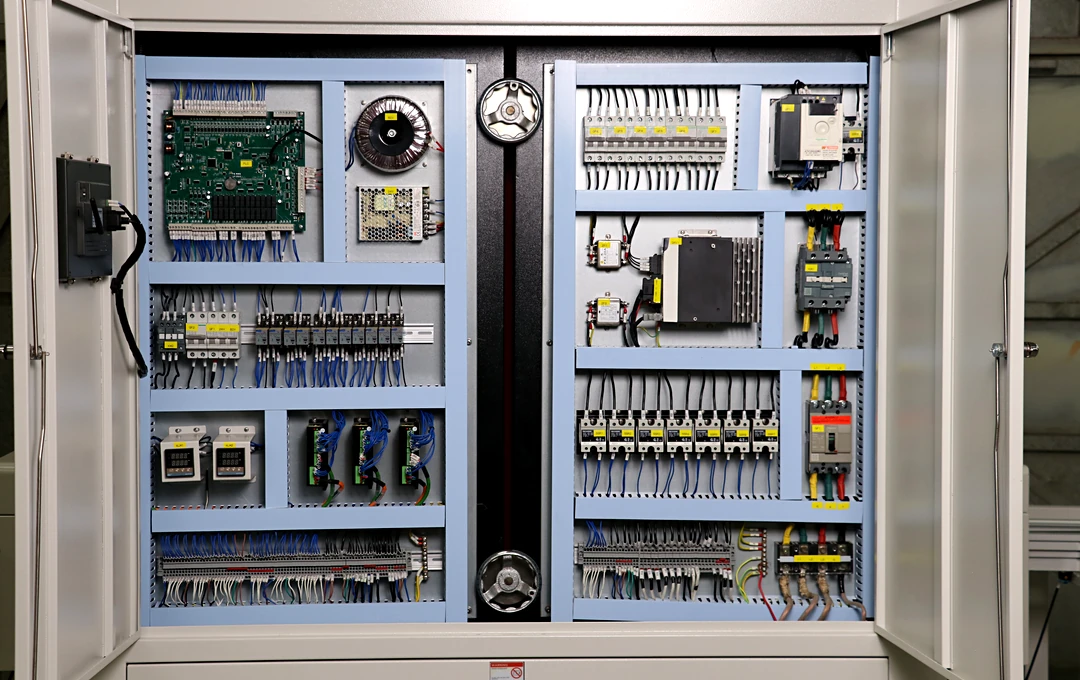
One SMEMA height. Zero manual transfer.
Where these ovens run today.
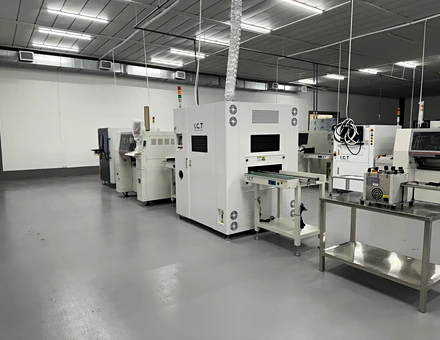
Conformal coating cure
IR or vertical cure of acrylic, silicone and urethane coatings after selective spray.
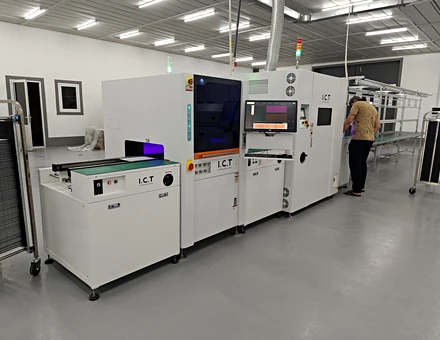
Adhesive and encapsulant cure
Setting potting compounds and bonded assemblies after dispensing or potting.
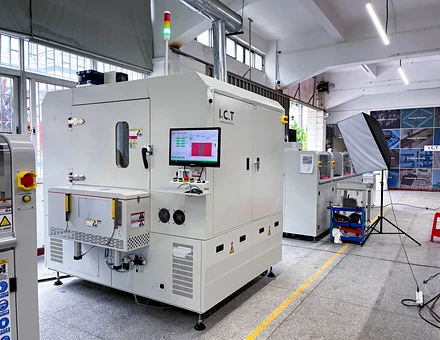
Long-dwell thermal processes
Extended cure cycles in a stacked 64-layer vertical oven, not a 20-metre tunnel.
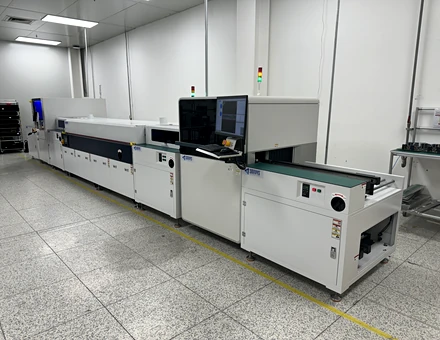
Automotive, medical and industrial PCBA
High-reliability boards where under-cure is not an option and profile proof is required.
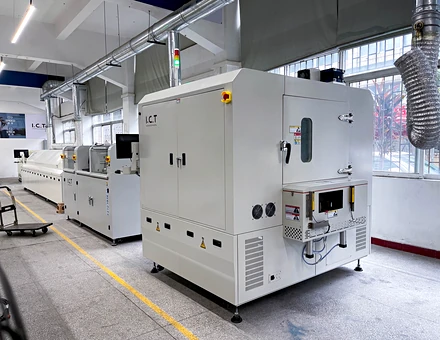
Lines where floor space is tight
Vertical cure replaces long horizontal tunnels — same dwell, a fraction of the footprint.
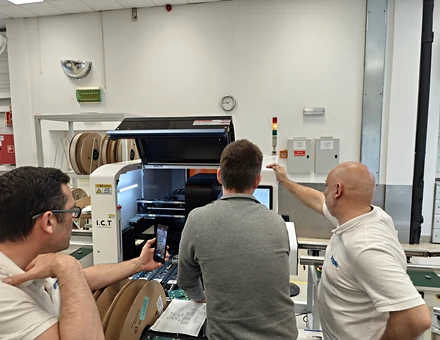
Your process
Send your material datasheet and target profile — our engineers validate the cure curve before you buy.
Manufacturer, not reseller.
Dongguan ICT Technology Co., Ltd., own industrial park, 25+ years in SMT.
Production lines delivered across export markets on five continents.
Compliance and patent coverage on the curing oven range.
7×24 technical support plus on-site installation, commissioning and training.
What arrives with your oven.
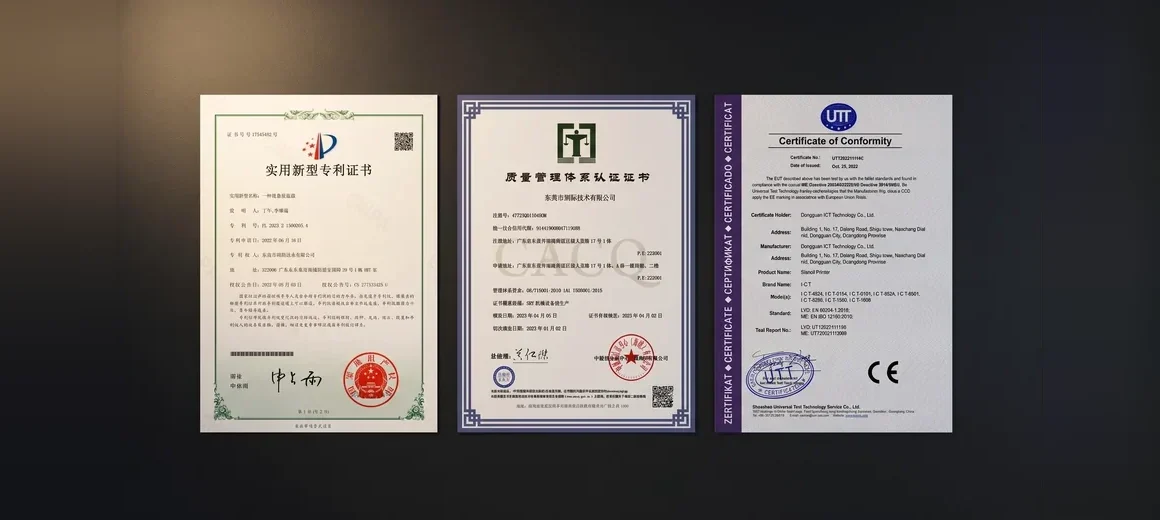
01Certified equipment
Every curing oven ships with CE, ISO9001 and Patent certified documentation — compliance papers ready for your import and audit process.
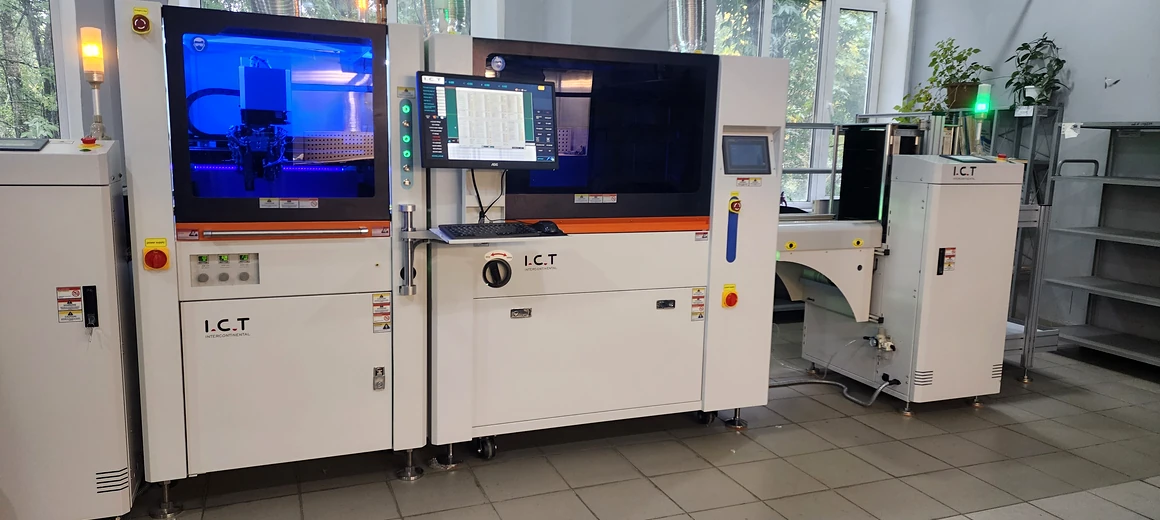
02Tested before dispatch
Temperature uniformity and conveyor tests run before the oven leaves the factory — zone profiles verified against specification, not assumed.
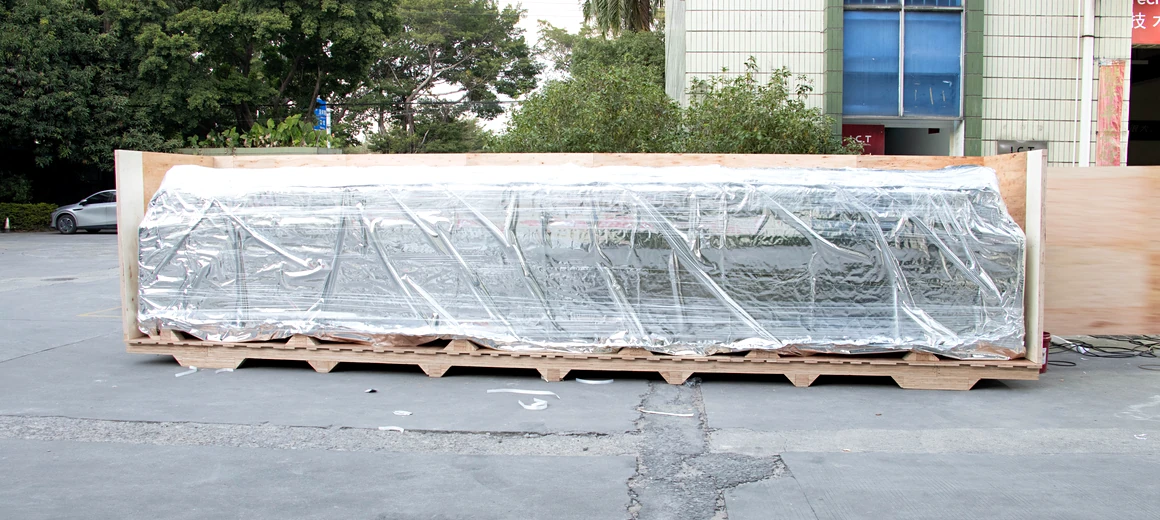
03Export packing
Sealed moisture barrier plus reinforced wooden crate, sized per oven type — IR tunnels to vertical towers arrive intact by sea or air.
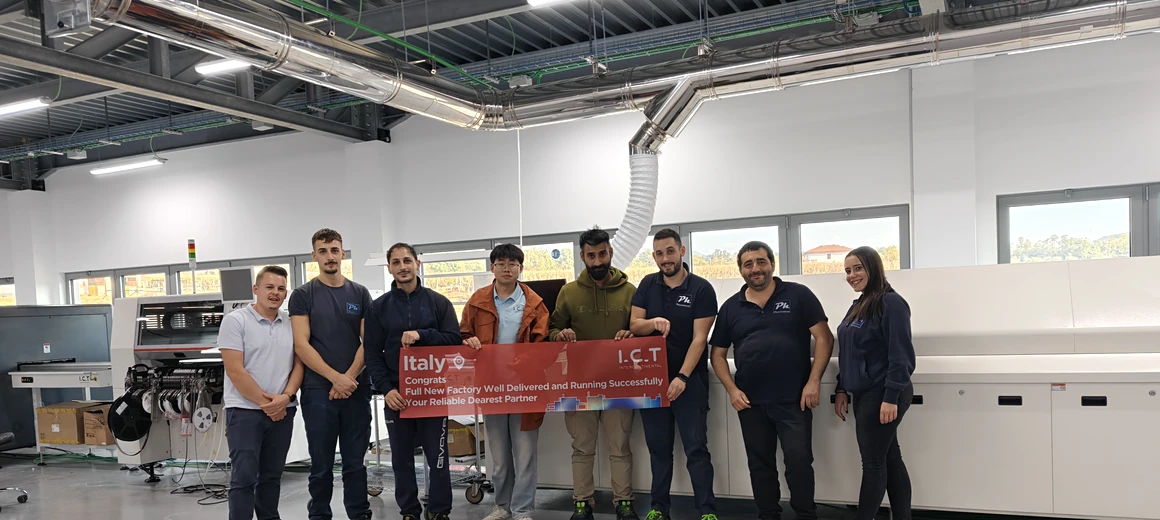
04Engineer team
L1 to L3 support levels: remote diagnostics within hours, application engineers for cure-profile tuning, senior engineers for line integration.
05Overseas installation and after-sales
Global engineers fly in for installation, commissioning and operator training — and stay reachable 7×24 after handover.
Curing oven questions, answered.
What is the difference between IR, UV and vertical curing?+
IR cures thermally for general coatings; UV cures instantly at low temperature for UV materials; vertical stacks boards for long-dwell cure in a small footprint.
Does it connect to a line?+
Yes. All ovens link over SMEMA at 900 ± 20 mm transport height with automatic in and out.
How accurate is the temperature?+
The vertical oven holds ±1 °C (PID + SSR); IR uses multiple zones for gradient profiles.
What board sizes can it handle?+
UV up to 460 mm width; vertical fixture 550 × 350 × 25 mm, 10 kg per layer.
How much does a curing oven cost?+
It depends on type, zones and size. Send your cure profile and throughput and we will quote.